
01
Photograph your room.
Choose a room that could use some calm: a living room, a bedroom or a study.
Calm, natural and uncluttered. How to recognise Japandi, how to build it room by room, and how to see it in your own home first.
Free to download. Your first 2 makeovers are free. Illustrative AI designs, not construction plans.
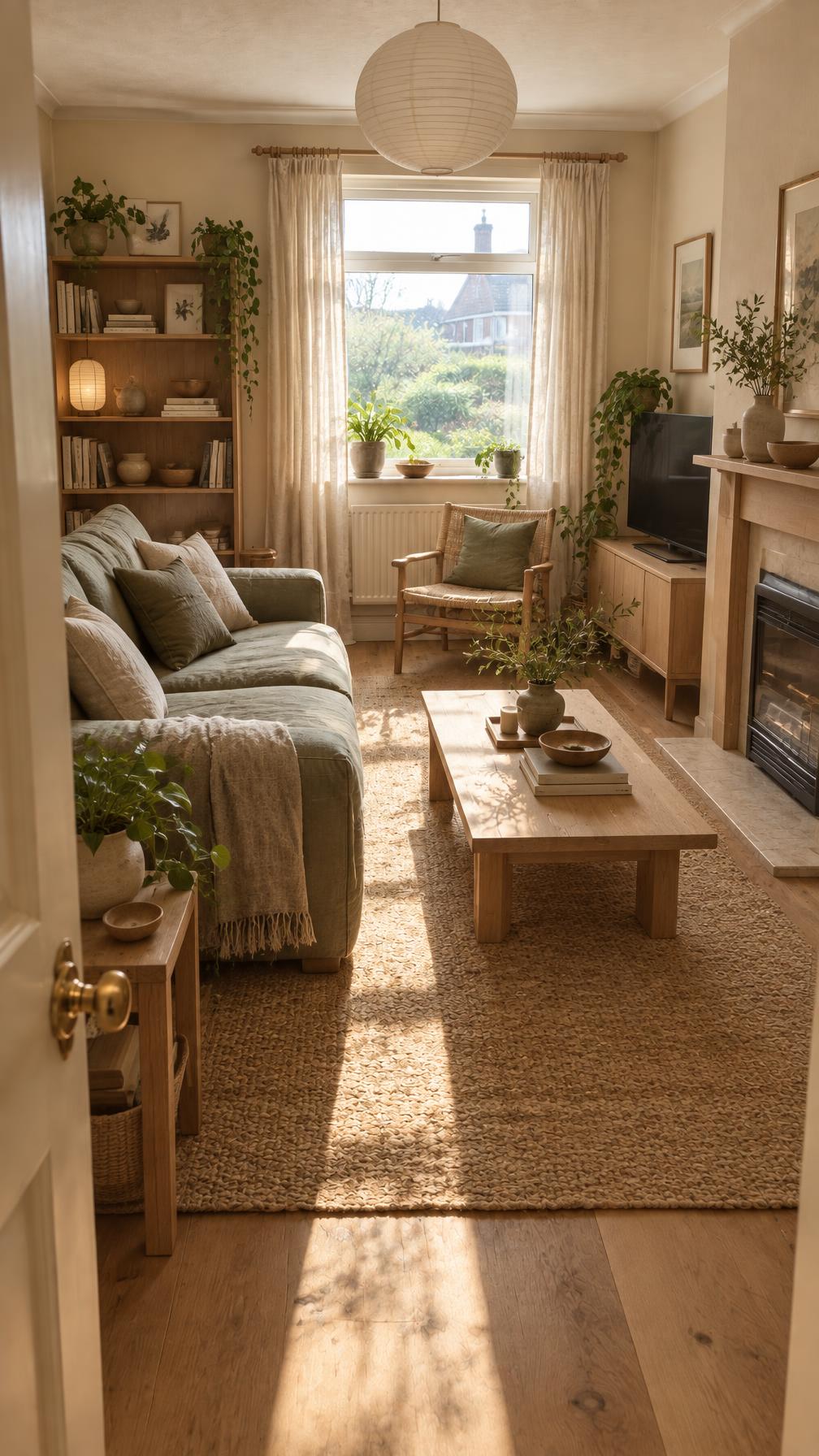 BeforeAfter
Choose a room that could use some calm: a living room, a bedroom or a study.
Select the Japandi style in Redecorate, and add a palette such as Oat & moss or Linen & walnut if you like.
Compare the result with your room, then decide which parts to borrow: the palette, the shapes, or simply the lack of clutter.
Japandi blends Japanese and Scandinavian design. From Japan it takes restraint, natural materials and an eye for imperfection. From Scandinavia it takes warmth, daylight and everyday comfort. The result is a room that feels quiet without feeling empty.
It is a mood more than a rulebook. The common thread is simplicity with warmth: few things, well chosen, made of natural materials and left to speak for themselves. If a room feels calm, tactile and unhurried, it is probably heading in the right direction.
Japandi colors come from the ground and the garden: warm whites, oat, sand and clay, moss and sage greens, with charcoal or black used sparingly for definition. Contrast is gentle. A dark note might be a lamp base, a picture frame or a ceramic, rather than a whole wall.
In Omriss, palettes such as Oat & moss and Linen & walnut sit close to this feeling, and the Japandi style is described to the AI as a calm blend of Japanese and Scandinavian design: low-profile light oak furniture, linen and paper textures, matte ceramics, paper lanterns, muted earthy tones and uncluttered surfaces.
Texture does the work that pattern does in other styles. Choose materials you want to touch.
Living room: choose one low sofa in a natural fabric, a wooden coffee table and a woven rug, then leave empty space around them. One or two plants and a paper lantern are enough decoration.
Bedroom: a low bed in light wood, linen bedding in two tones and one lamp on each side. Keep the surfaces by the bed clear. See bedroom makeover ideas for the practical steps.
Kitchen: flat-fronted cabinets in oak or a muted green, simple handles, and a single bowl on the counter instead of a row of appliances. Our kitchen redesign guide covers layout and finishes.
Whatever the room, start by taking things away. Japandi works because of what is not there.
Most Japandi rooms that disappoint fall into one of the same few traps.
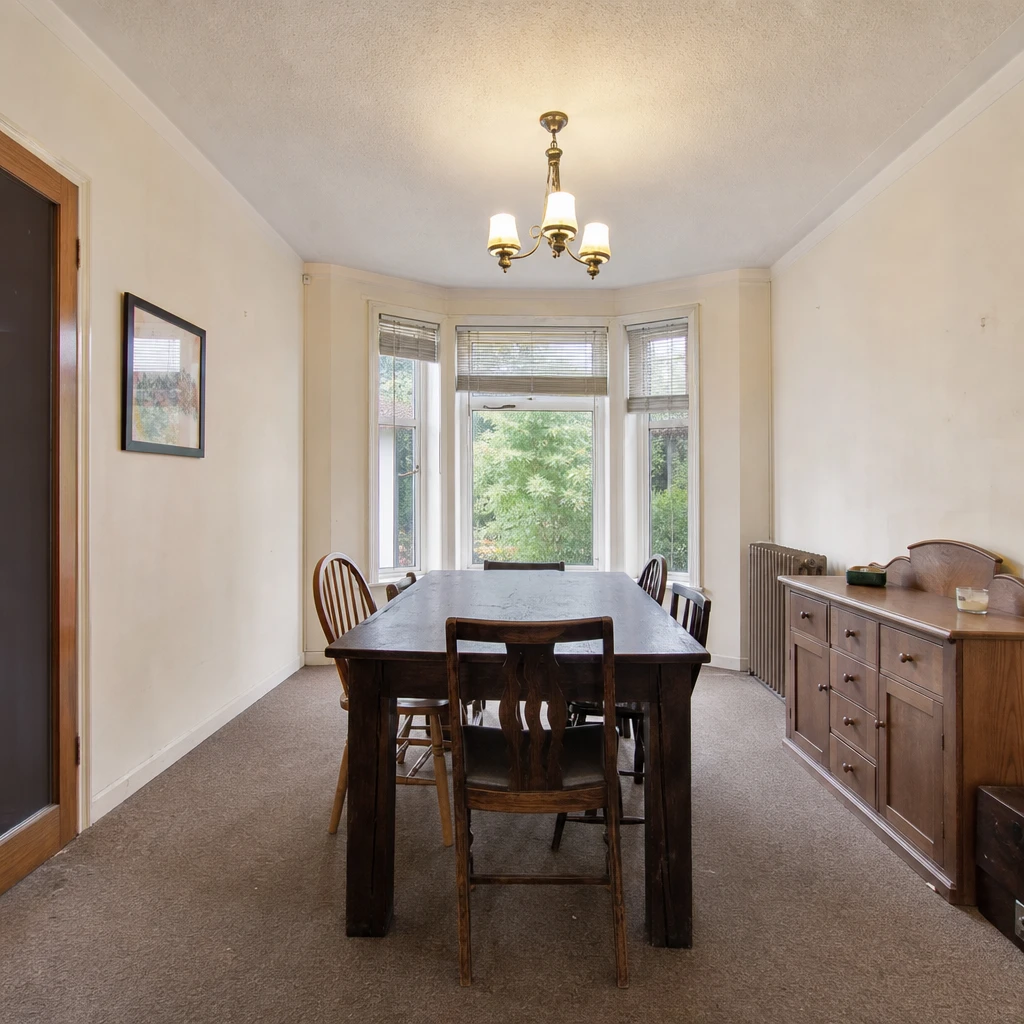
Two starting photos and the AI designs made from them, in a calm and natural direction. Slide to compare.
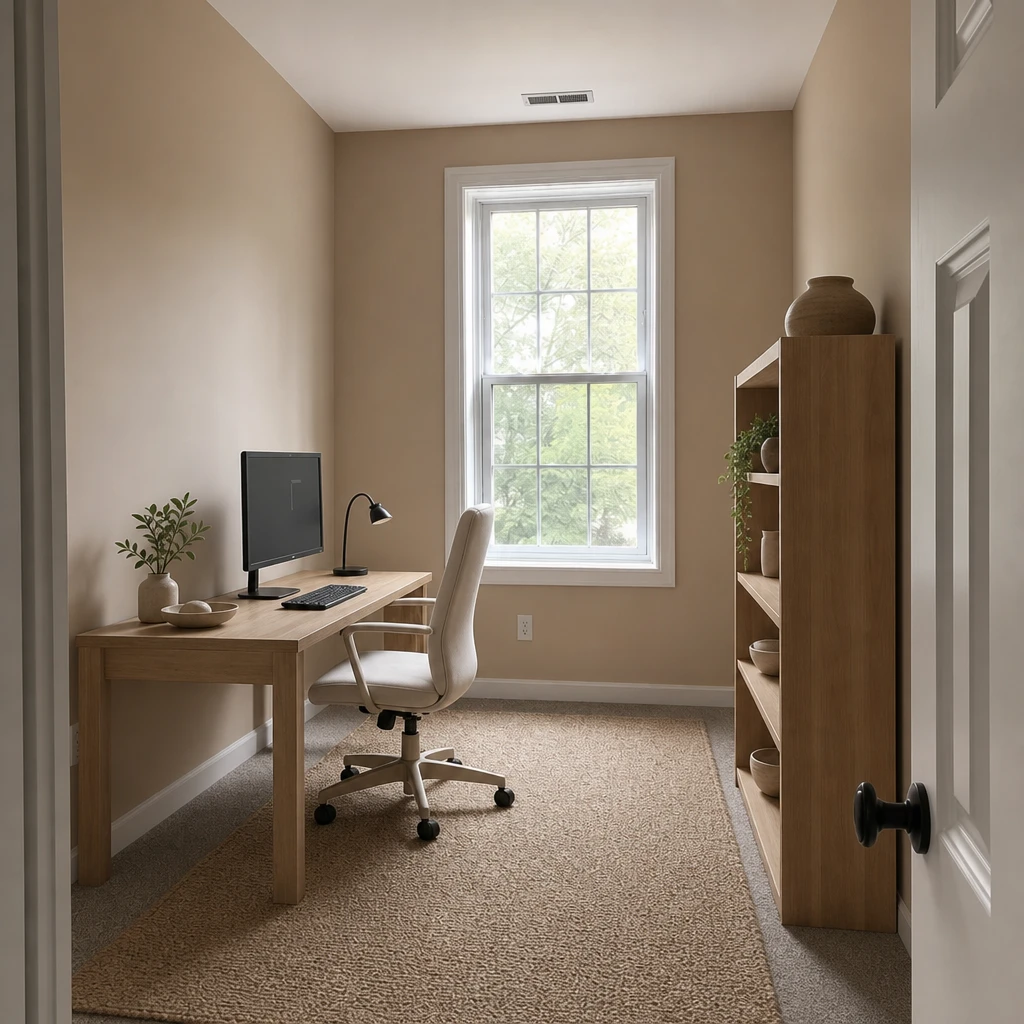
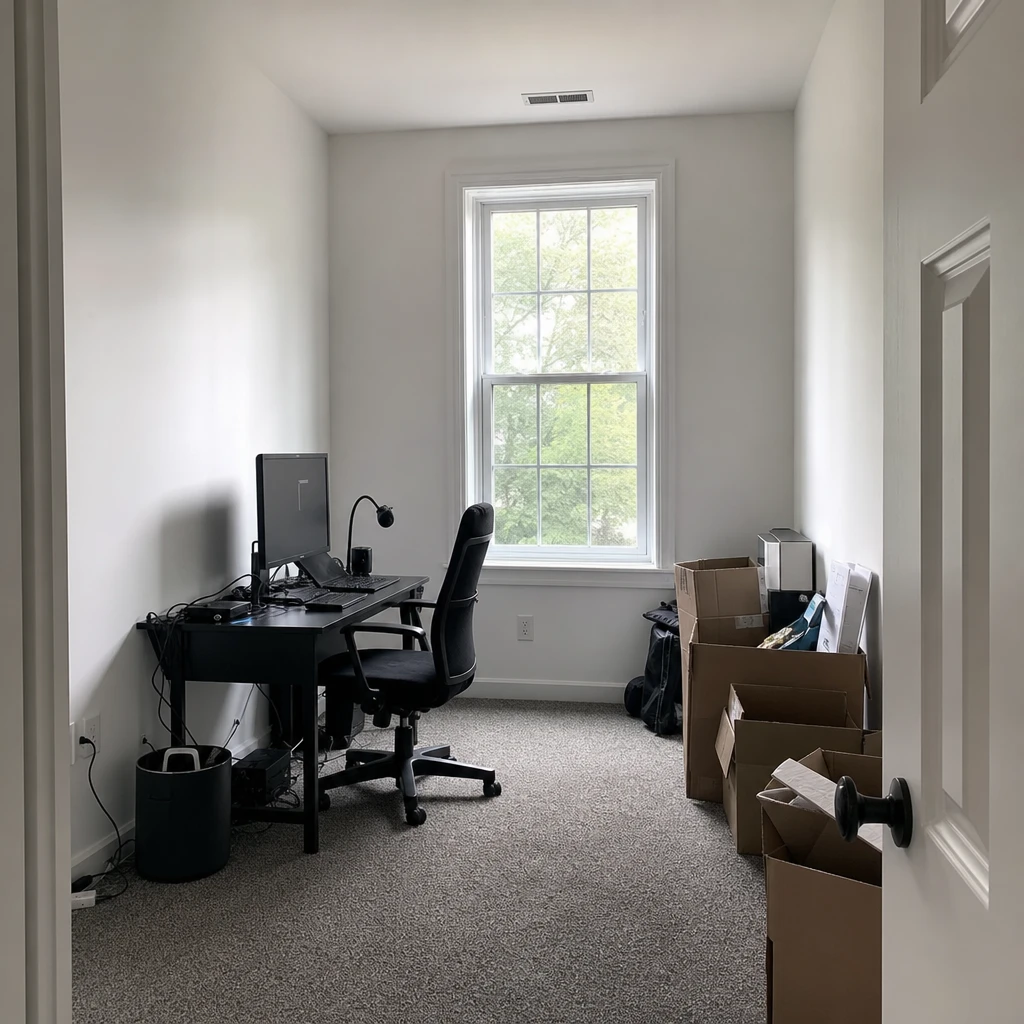
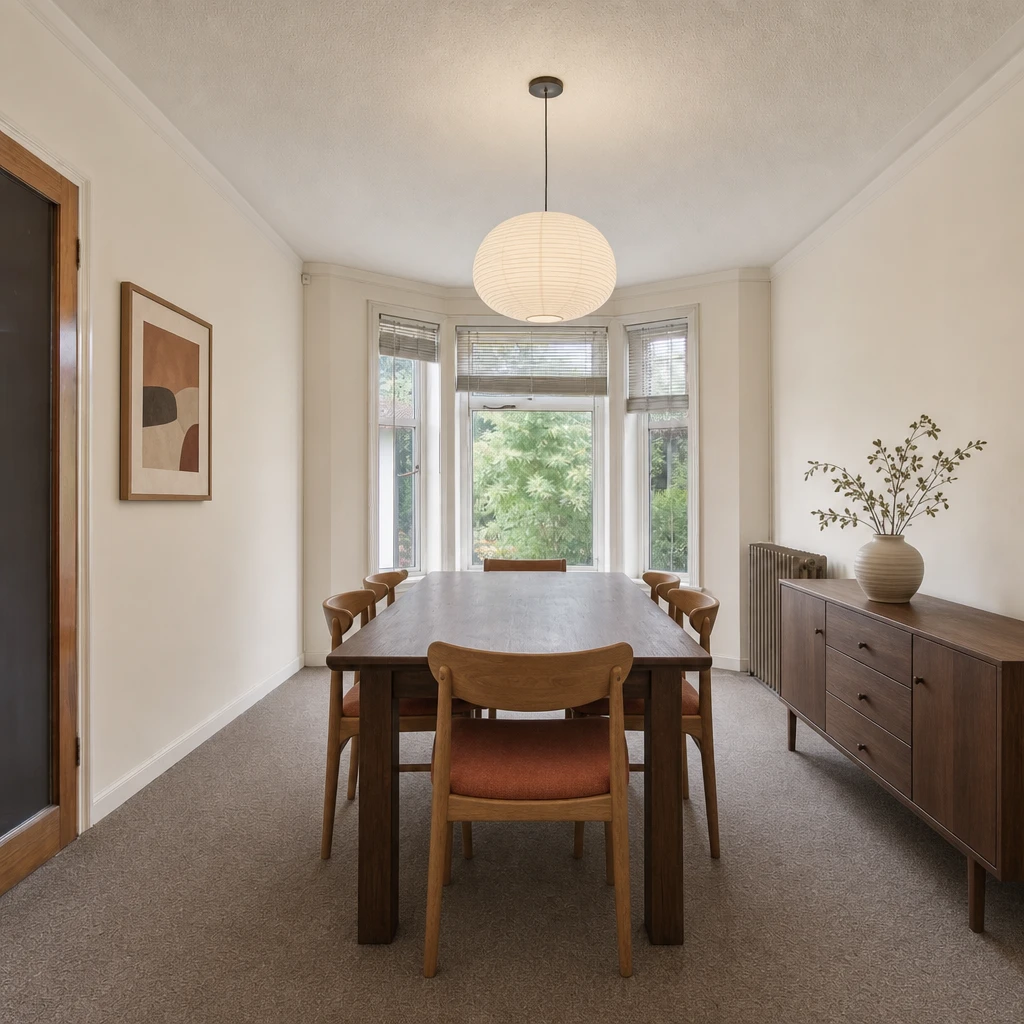
Photograph a room and see how the style sits. Free to download. Your first 2 makeovers are free.
A design style that combines Japanese minimalism with Scandinavian warmth: natural materials, a soft earthy palette, low furniture and uncluttered surfaces.
Scandinavian design leans bright and airy, with white walls and pale wood. Japandi keeps the warmth but adds Japanese restraint: slightly deeper natural tones, more texture, lower furniture and fewer objects.
Warm whites, oat, sand and clay, moss and sage greens, with a little charcoal or black for definition. Keep contrast low and let texture add the interest.
Yes. Omriss includes Japandi as a style. Photograph your room, choose it, and compare the result with your original. It is an illustrative AI image, not a plan, so use it to test the mood. See AI room design.
No. The look depends on restraint more than on costly pieces: fewer things, natural materials and clear surfaces. Put your attention into the few pieces you do buy.
Open Omriss on Android and test the mood on a photo of your own room.
The photos you choose are sent securely for AI processing to create each design. See the privacy policy for details.