
01
Photograph the site.
Take wide photos from the house and from the street or far end, so you can see the whole area that might change.
A landscaping project goes better with a clear brief. Decide what you want, preview it, then talk to the people who will build it.
Free to download. Your first 2 makeovers are free. Illustrative AI designs, not construction plans.
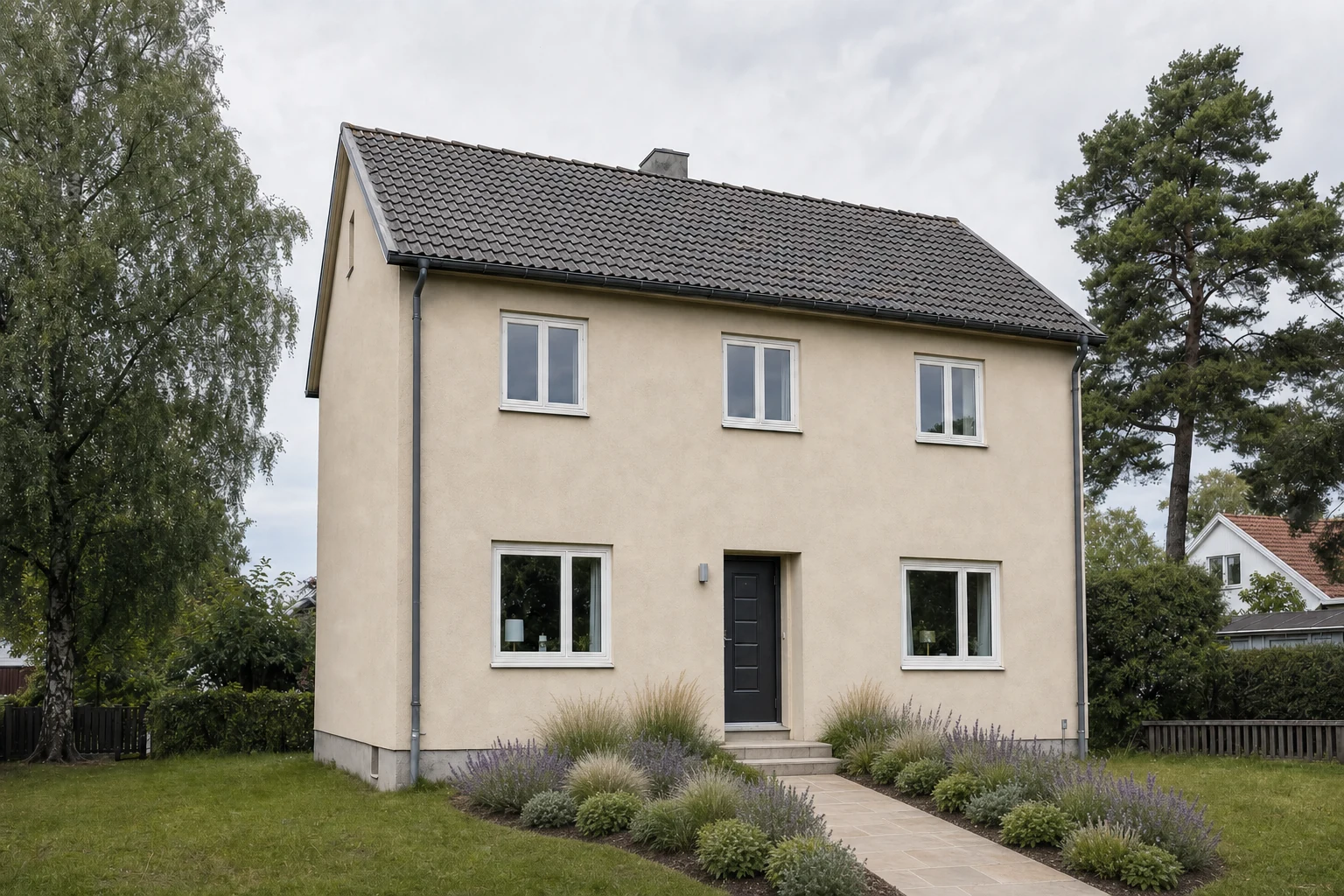 BeforeAfter
Take wide photos from the house and from the street or far end, so you can see the whole area that might change.
Choose a garden style and add paths, planting, seating or lighting, one piece at a time.
Compare ideas with the original, save the best, and show them to a designer or contractor.
Gardening and landscaping are not the same job: gardening is the ongoing care, landscaping is the shaping. Garden landscape design is easier when you see it as stages. First comes the brief: what the garden is for. Then a concept: where things go. Then the hard landscaping, meaning ground, walls, steps and drainage. Then the soft landscaping, meaning planting. Last come the finishing touches: lighting, furniture and pots.
Doing it in this order avoids the usual mistake of buying plants before you know where the paths go.
Weather and seasons shape the schedule too. Ground work suits dry spells, while planting is best done when plants can establish, which in many climates means autumn or spring.
A good brief fits on a page and makes every later decision easier.
Paths, patios, walls and drainage come first because they are disruptive and hard to change. Planting follows, so that nothing is trampled. The order matters most for access: digging a path through a finished border is a bad day.
If you are thinking about the house as well as the garden, see front yard landscaping ideas and back yard design for the two most common starting points.
Landscape design ideas are easiest to judge in a picture, and a picture is the easiest way to explain what you have in mind. With Omriss you can photograph the site and try planting, paths, seating, water and lighting on it, in different seasons and light, and keep the options you like. It helps you decide, and it helps others see what you mean.
It does not replace a survey, a planting plan or a quote. Omriss does not offer or recommend landscaping services; it is an app for exploring ideas.
When you bring your pictures to a designer or contractor, ask:
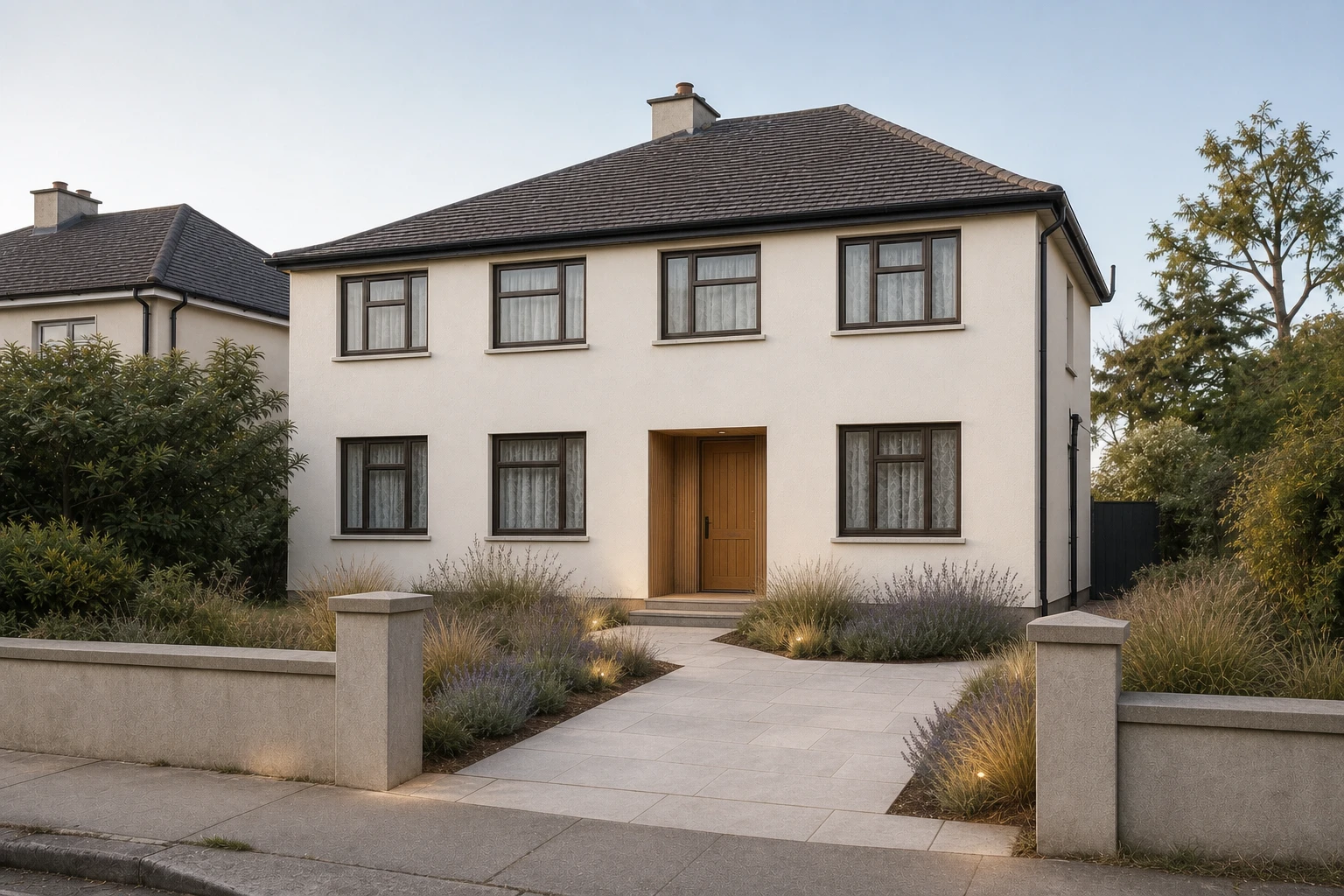
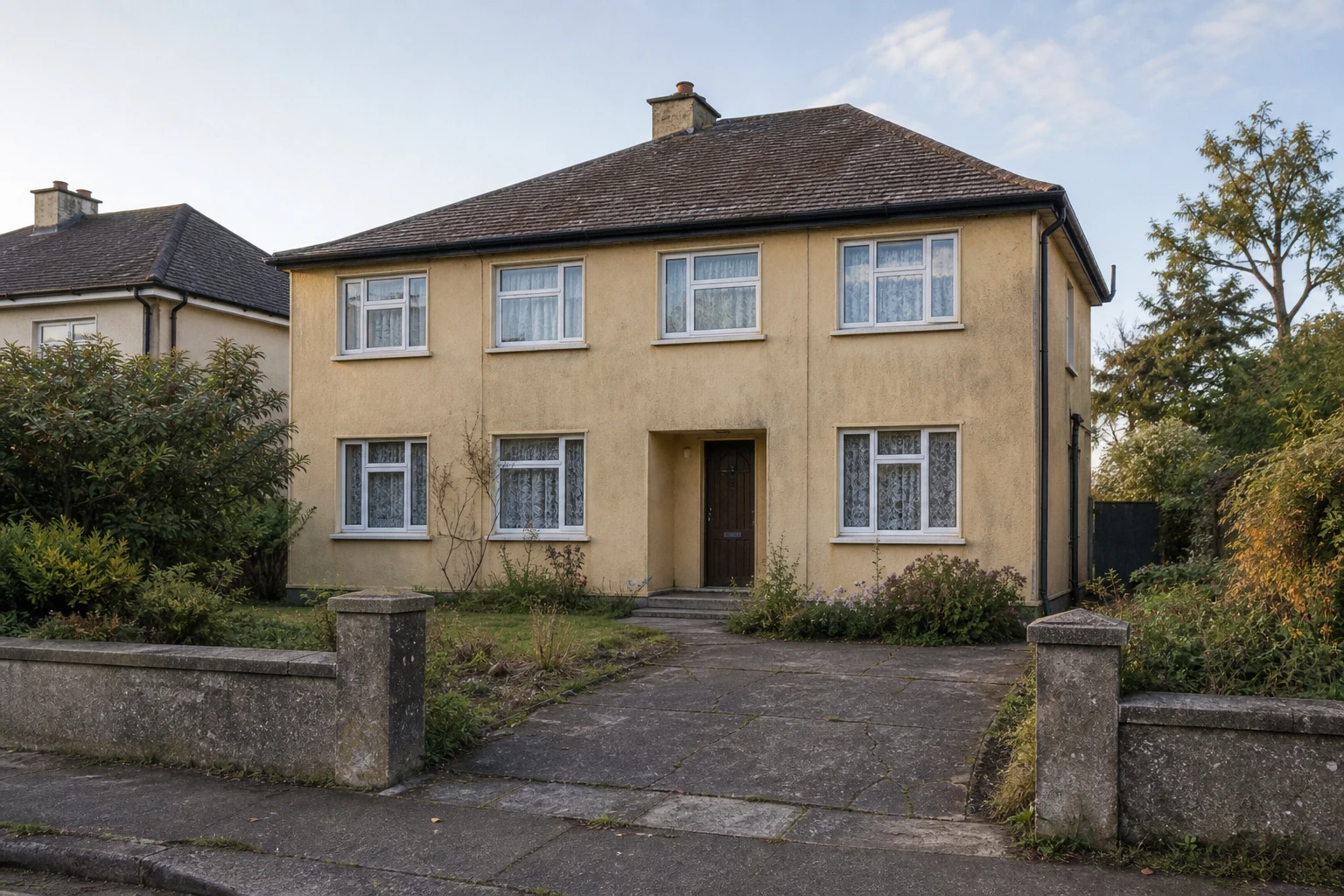
A house with a worn drive and overgrown planting, and the AI design made from it: the same house, with new paving and layered planting.
Photograph the garden and try a landscaping idea. Free to download. Your first 2 makeovers are free.
Shaping an outdoor space: the ground, paths, walls and steps (hard landscaping) and the planting, lawn and beds (soft landscaping), plus lighting and features. It can be a weekend project or a large build.
With a brief: what the garden is for, what style you like, how much upkeep you want and what conditions you have. Then sketch zones and paths before you choose any plants.
Hard landscaping is the built parts, such as paving, walls, steps, decking and drainage. Soft landscaping is the living parts: lawn, trees, shrubs, flowers and beds. Hard comes first, soft follows.
No. Omriss is an app for previewing ideas on a photo; it does not offer or recommend landscaping services. Use your pictures as a brief when you talk to designers and contractors.
Yes. Omriss lets you try planting, paths, seating, water and lighting on a photo of your garden and compare it with the original. It is an illustrative AI image, not a plan. See AI garden design.
It depends on scale and weather. Planning can take longer than the build, hard landscaping comes before planting, and planting is best done in the right season for the plants.
Photograph your garden on Android and try a landscaping idea before you brief anyone.
The photos you choose are sent securely for AI processing to create each design. See the privacy policy for details.